Sinker EDM
Cavities, deep ribs and square-bottomed pockets cut into hardened steel with a shaped electrode.
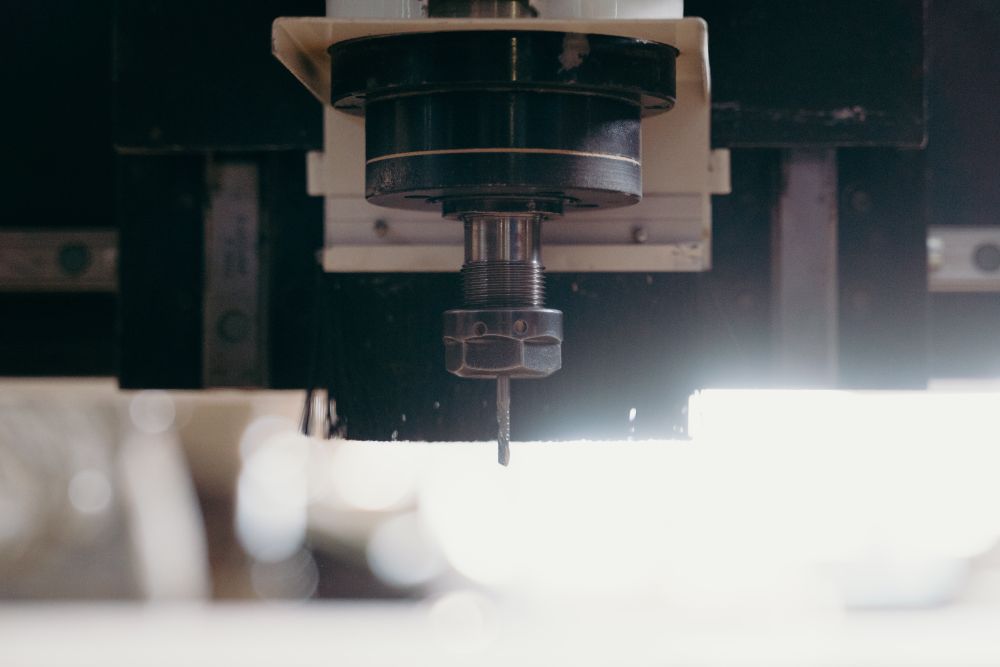
Cavities, deep ribs and square-bottomed pockets cut into hardened steel with a shaped electrode.
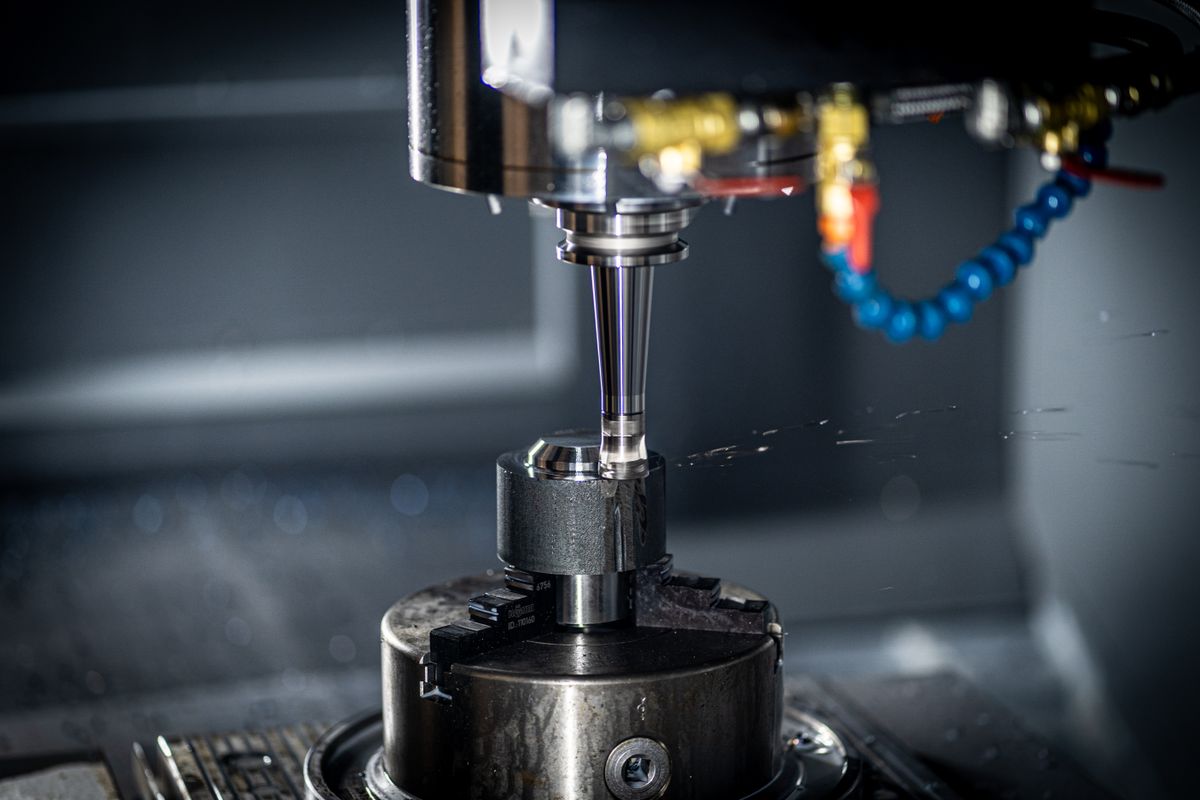
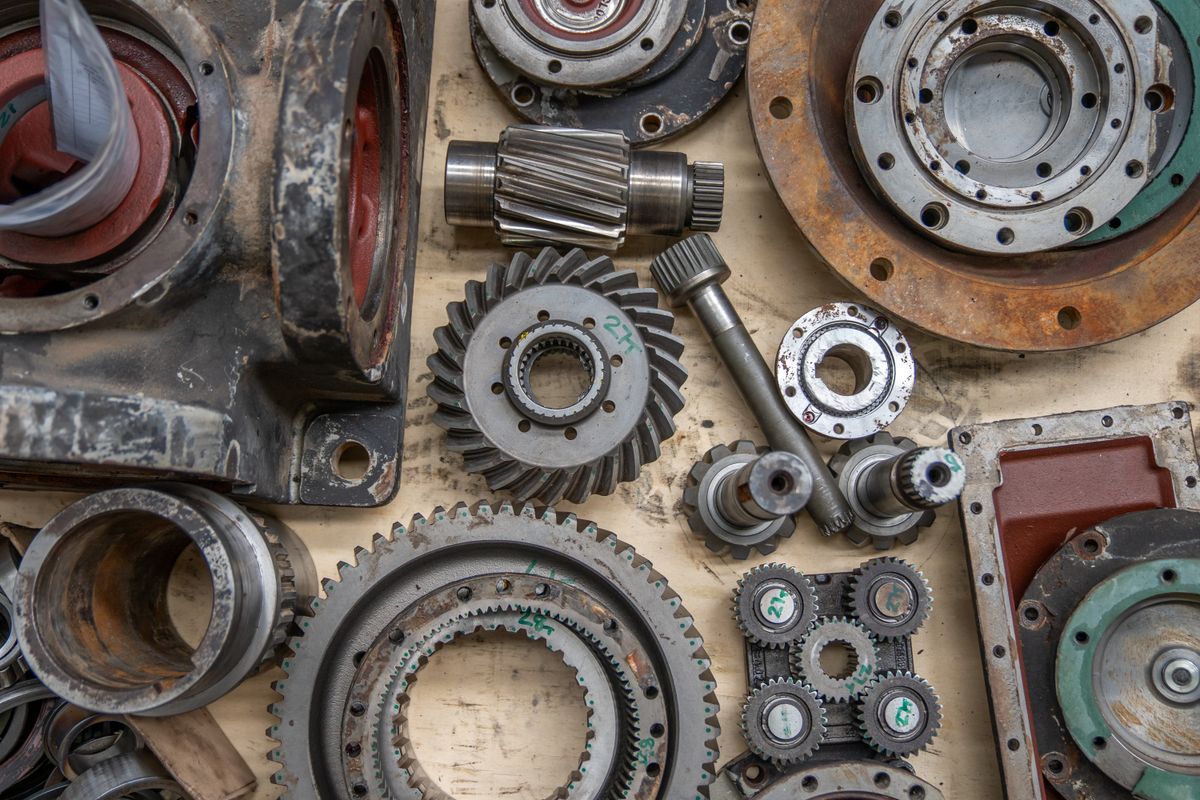
Sinker EDM reaches geometry a rotating tool cannot: a square internal corner at the bottom of a deep pocket, a rib narrower than the cutter that would make it, a cavity with a textured floor. The electrode is the shape; the spark does the cutting.
Electrodes are machined here, which matters more than it sounds. When the electrode and the cavity come from the same team, the correction after the first burn goes into the next electrode instead of into a discussion between suppliers.
What we make here
Typical work: mould and die cavities in hardened steel, where corner geometry decides whether the part releases cleanly.
How the work runs
Materials, equipment and inspection
Hardened tool steels, pre-hardened mould steels, carbide and special alloys. Graphite and copper electrodes are machined in-house, with the wear allowance built into the offset.
Die-sinking EDM machines with orbiting and multi-cavity control. Cavity depth and corner radius checked on the vision machine; fit checked against the mating insert, not only against the drawing.
Capacity
| Feature | Range | What to know |
|---|---|---|
| Tank size | 800 × 500 × 400 mm | Larger moulds quoted on the second machine |
| Cavity tolerance | ±0.005 mm | Electrode wear compensation included |
| Surface finish | Ra 0.2 µm | Requires a separate finishing electrode and orbit |
| Min. rib width | 0.3 mm | Depends on depth; below that the electrode wears too fast |
| Depth-to-width | Up to 10:1 | Flushing is the limit, not the generator |
| Electrodes | Made in-house | Graphite for roughing, copper for fine detail |
Electrodes are the hidden cost in sinker EDM. A cavity that needs three electrodes is priced differently from one that needs one, and that is decided by the drawing.
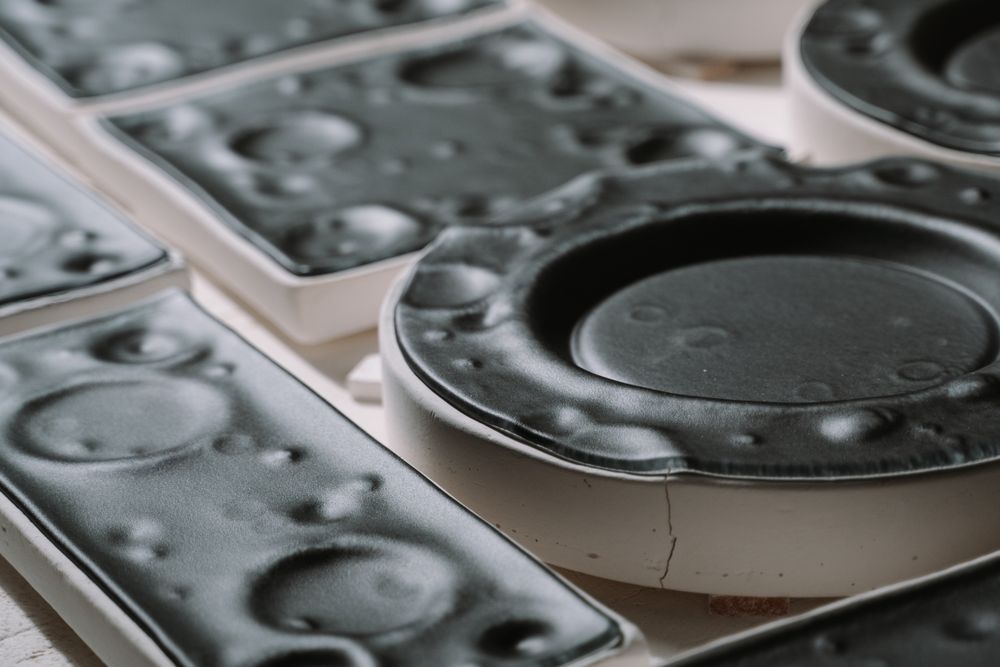
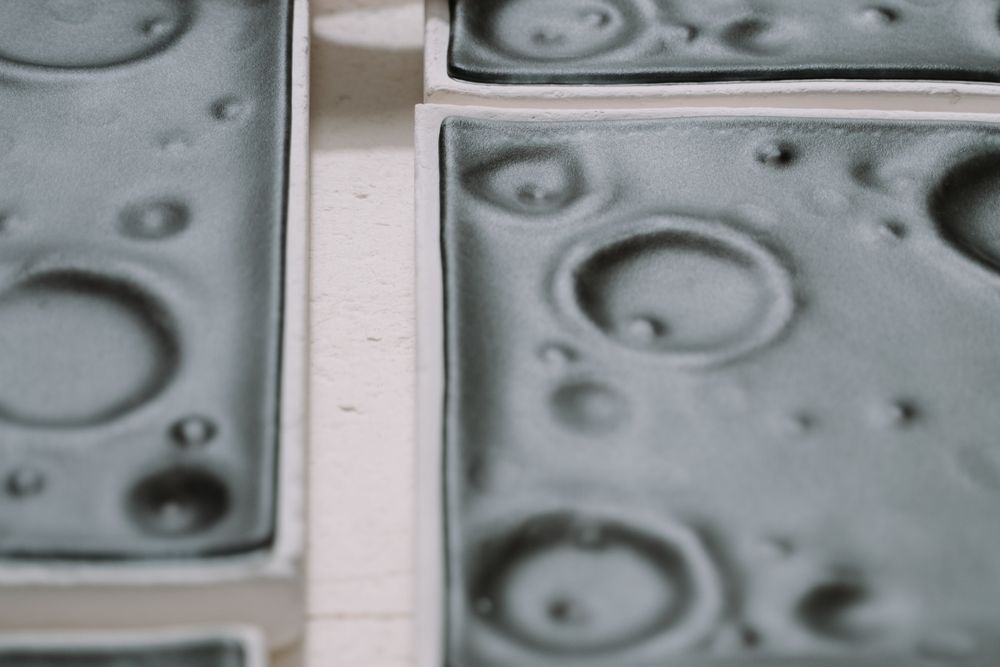
Parts we have machined
Where the money goes
Straight answers
Yes, in-house on the milling machines. That is what keeps the loop short when a cavity needs a correction after the first burn.
Depth-to-width ratio is the limit, not the machine. Around 10:1 is comfortable with orbiting and good flushing; beyond that we quote with the risk stated rather than discover it at the bottom of the pocket.
Where the texture is specified by a standard such as SPI or VDI, yes — by choosing the electrode finish and the spark condition. For a proprietary texture, send the sample and we will say whether it can be reproduced.
Keep reading
Request a quotation
Tell us the part, the material and the quantity. An engineer reviews your drawing and replies within one working day — usually with a suggestion on how to make it cheaper.