Semiconductor & Test
Vacuum, chamber and clean-environment parts for semiconductor equipment and test handlers.
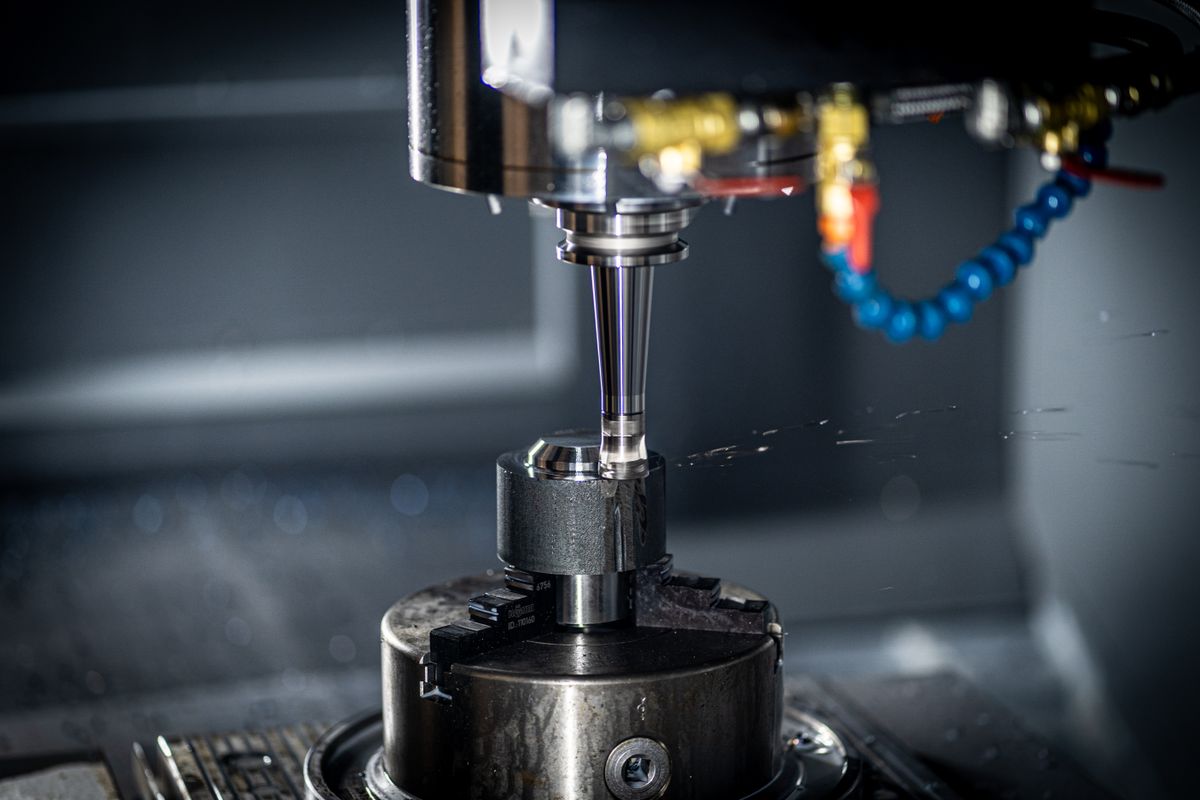
Vacuum, chamber and clean-environment parts for semiconductor equipment and test handlers.
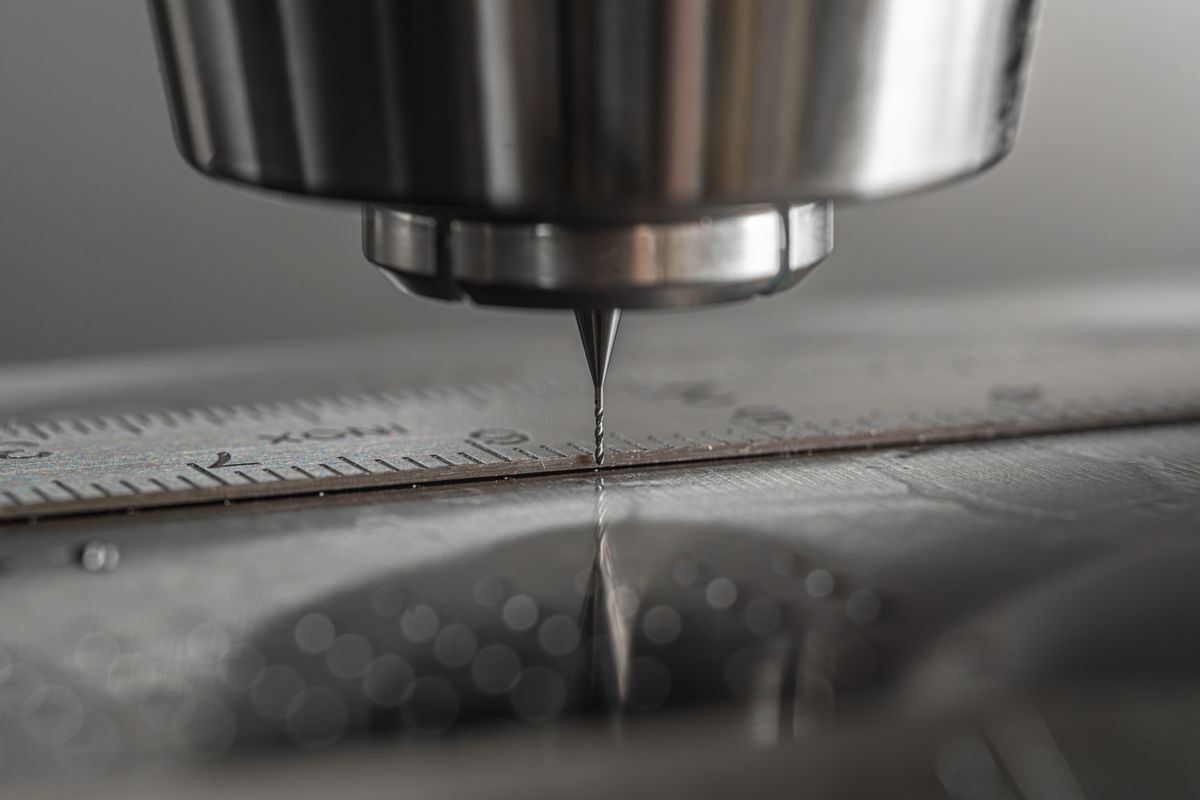
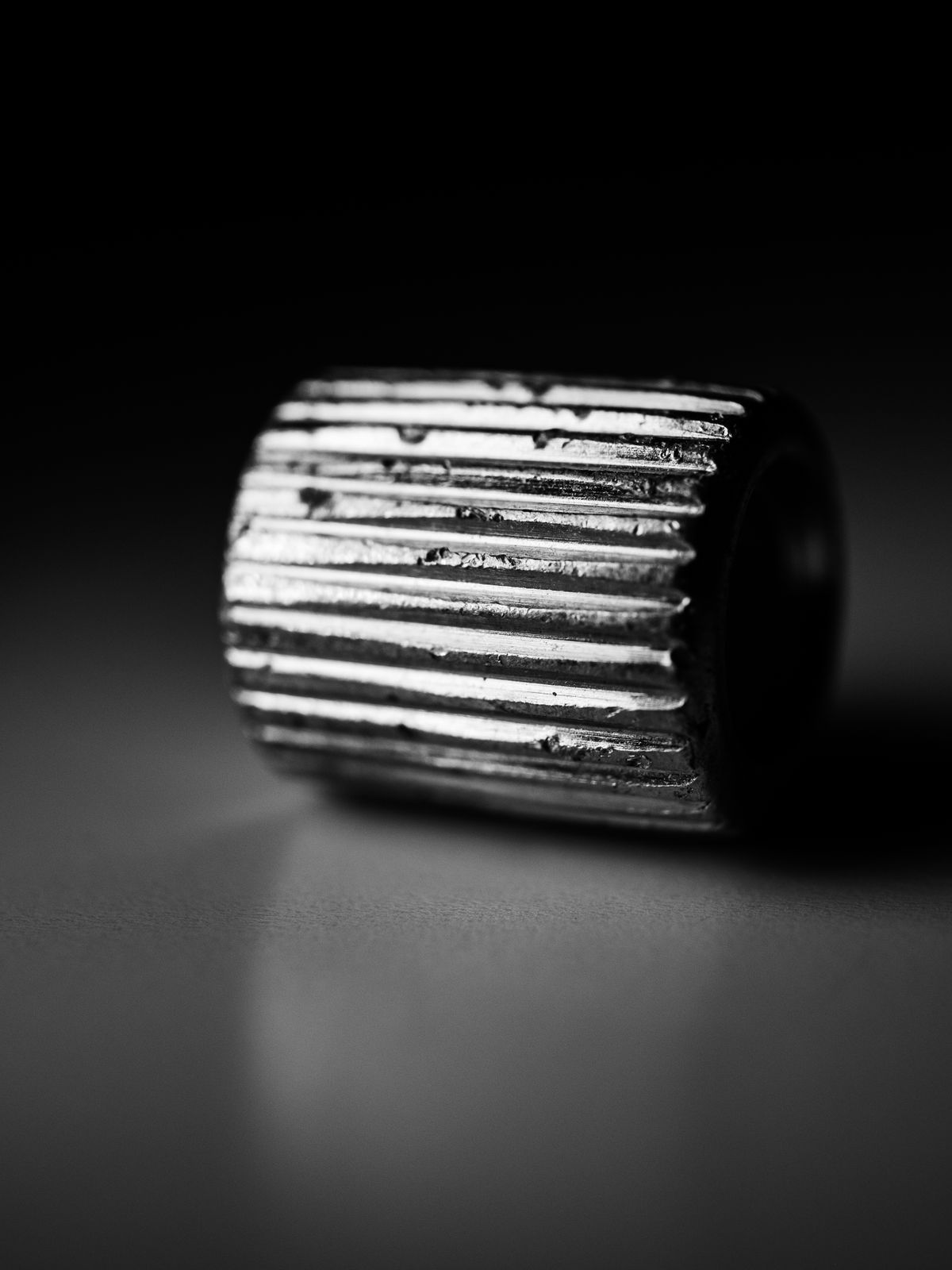
Semiconductor work is less about the tolerance than about what the surface must not do: outgas, shed particles, or trap the chemistry that runs over it. A part can measure perfectly and still fail because a blind hole kept a burr or a finish holds moisture.
We machine chamber components, test sockets, probe-card hardware, handler fixtures and vacuum fittings, mostly in aluminium and stainless, with cleaning and packaging treated as part of the process rather than an afterthought.
What we make here
Typical work: low to medium volume, high mix, where cleaning and documentation carry as much weight as the tolerance.
How the work runs
Materials, equipment and inspection
6061 and 7075 aluminium, 316L and 304 stainless, titanium, PEEK, PTFE and machinable ceramics where the drawing allows. Surface finish specified as Ra; anodising and passivation arranged to the drawing.
CMM for geometry, profilometer for surface finish, and visual inspection under magnification for burrs and edge quality. Parts bagged individually where the drawing or the customer requires it.
Capacity
| Part family | Typical material | What decides the price |
|---|---|---|
| Vacuum chamber parts | 6061-T6, 316L | Flatness, finish and leak-check requirement |
| Test handlers and probe stations | 7075, 6061 | Hole position and thin-wall stability |
| Wafer handling end effectors | 6061, PEEK | Weight, flatness and edge finish |
| Gas and fluid manifolds | 316L, aluminium | Internal finish and passage cleanliness |
| Insulating components | PEEK, PPS, PTFE | Machining parameters and dimensional stability |
| Frames and brackets | 6061, 7075 | Anodising class and colour match |
A clean part is not the same as a clean process. If the part goes into vacuum, say so — the deburring, cleaning and packing change with that one sentence.
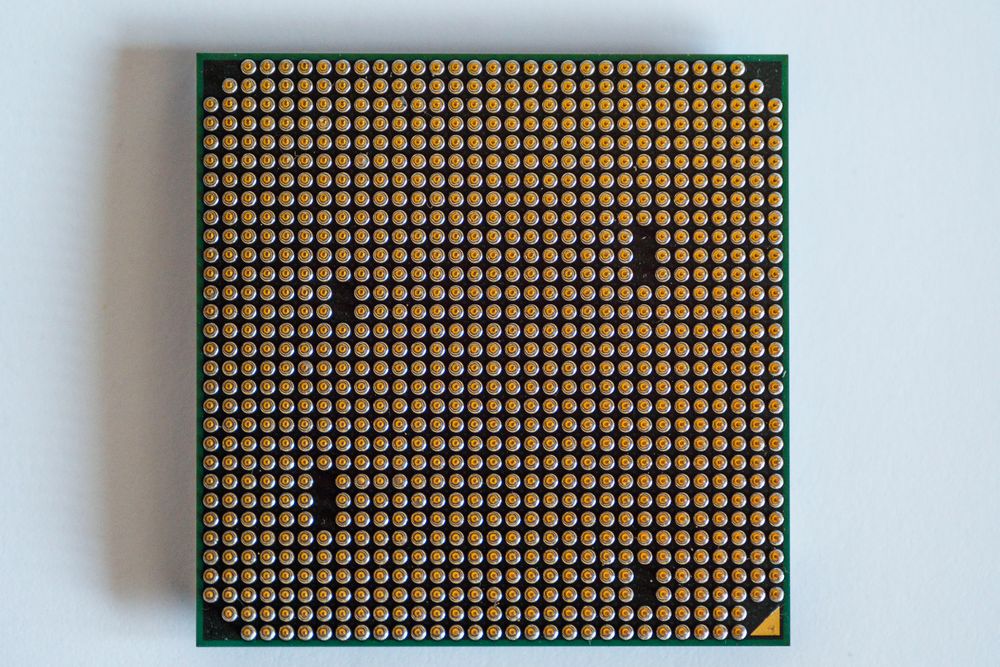
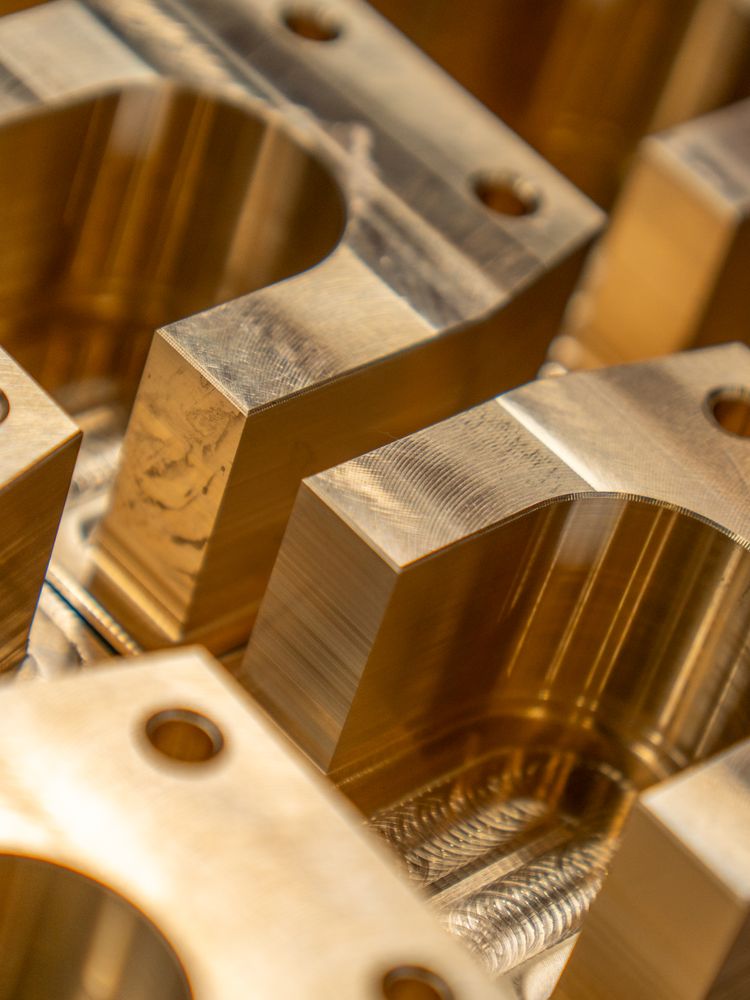
Parts we have machined
Where the money goes
Straight answers
Deburring is a specified operation, not a final look: edges broken to the drawing, blind holes cleared, then cleaning and individual bagging where required. Acceptance criteria are agreed before the first batch.
Yes, within what the process can do, and the honest answer depends on thickness and how much material comes off. Tell us the flatness and the plate size and we will quote the sequence that holds it.
We machine what can be cut with diamond tooling, quoted case by case. Where the geometry is better moulded or ground by a specialist we will say so rather than take the job.
Keep reading
Request a quotation
Industry fit is checked before the price is argued. Send the drawing with the service conditions and we will answer on both.