Wire EDM
Sharp internal corners, hardened material, thin walls, and start holes too small to mill.
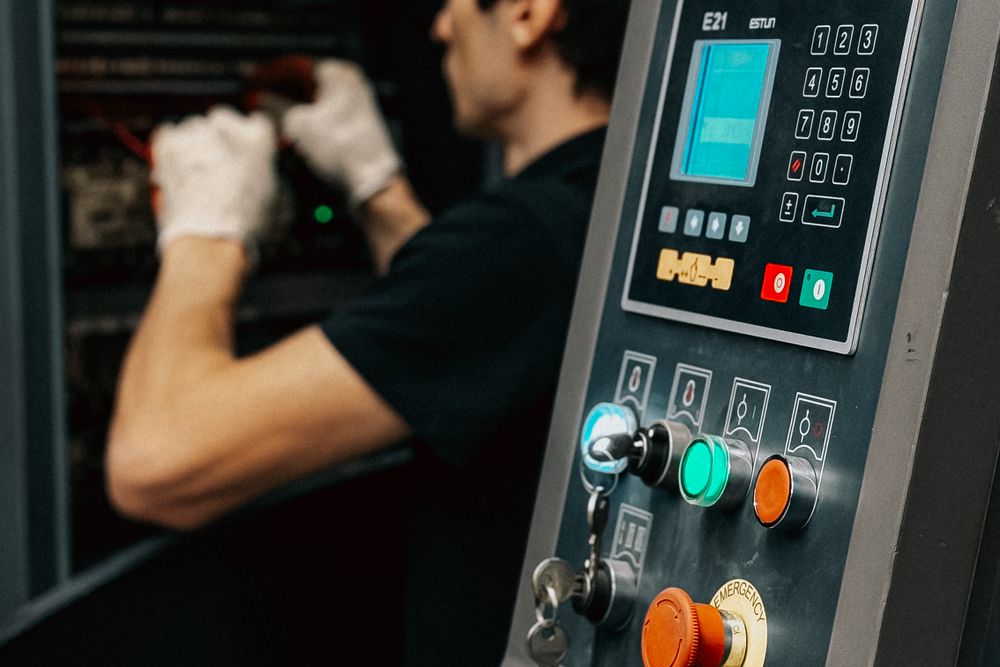
Sharp internal corners, hardened material, thin walls, and start holes too small to mill.
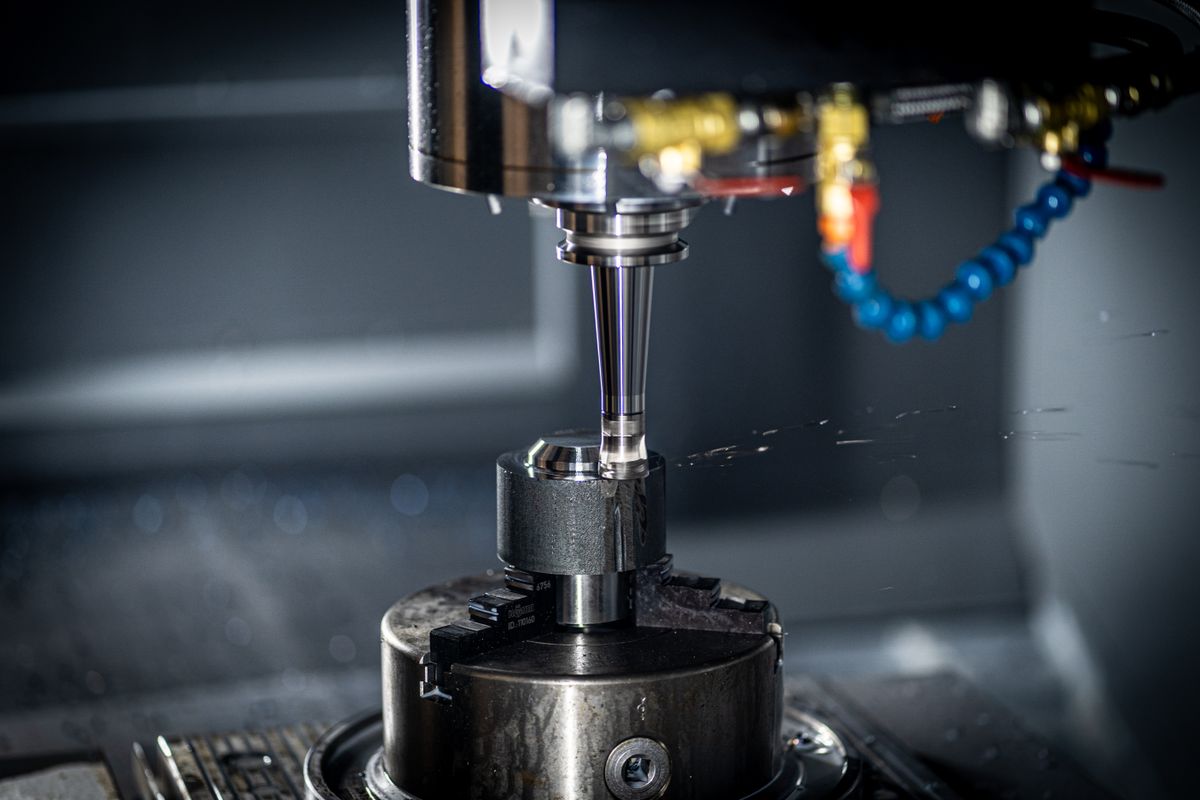
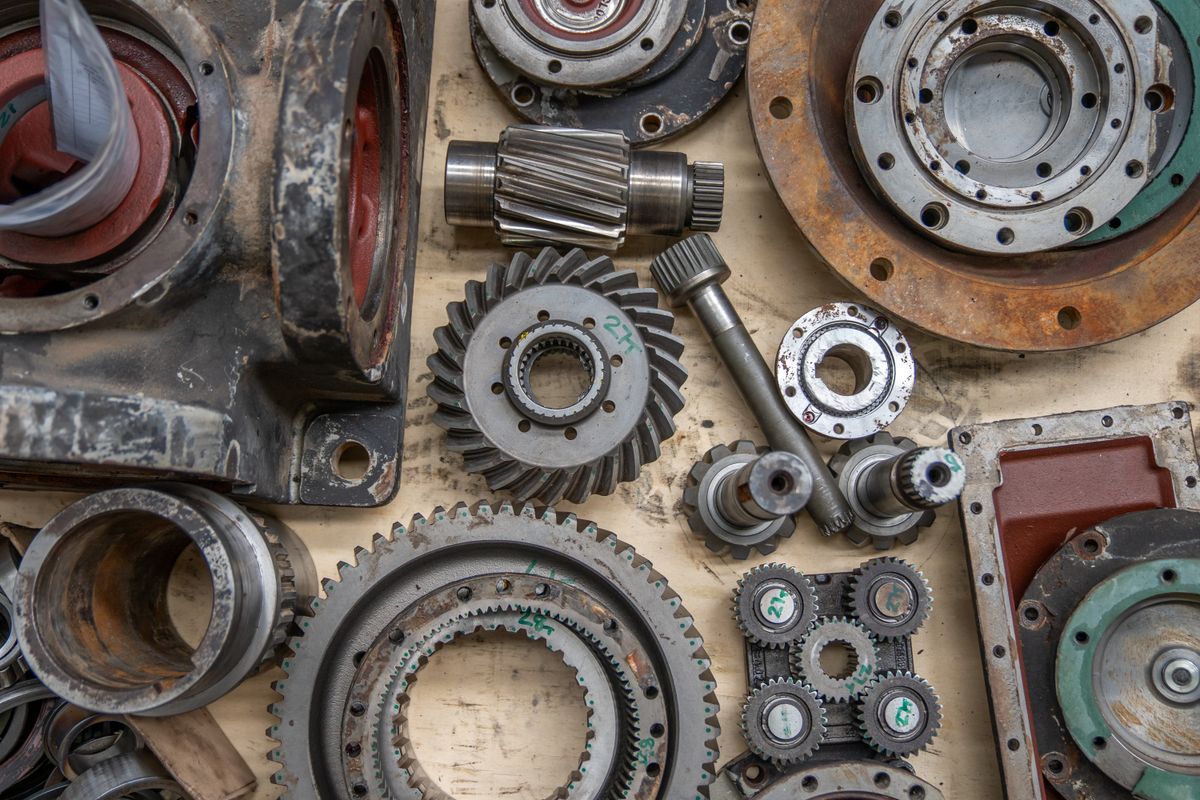
Wire EDM cuts by spark, not by force. Hardness stops being the deciding factor: a 60 HRC punch cuts as readily as annealed stock, and a wall 0.3 mm thick does not deflect away from the tool.
It is the process for internal corners that must stay sharp, for slots narrower than any end mill, and for parts where the heat-affected layer from milling would change how they function. Wire is also how mould and die work gets its final geometry after hardening.
What we make here
Typical work: hardened and thin-section parts where milling would deflect the wall or soften the edge.
How the work runs
Materials, equipment and inspection
Hardened tool steels such as H13, SKD11, D2 and S136, carbide, copper and beryllium copper, nickel alloys and stainless — cut after heat treatment, so there is no second hardening cycle to distort the part.
Wire-cut EDM machines with automatic wire threading for unattended runs. Profiles checked on the vision measuring machine and the CMM; recast layer checked where the drawing calls for it.
Capacity
| Feature | Range | What to know |
|---|---|---|
| Max workpiece height | 300 mm | Above that quoted with a stepped flush setup |
| Tolerance | ±0.005 mm | ±0.003 mm on a thin, stress-free part |
| Min. internal corner | R0.15 mm | Set by the wire diameter, not by the machine |
| Surface finish | Ra 0.4 µm | Ra 0.2 µm with a fourth skim |
| Taper | ±15° | Taper accuracy falls off above 10° |
| Materials | Any conductive | Hardened steel, carbide, copper, aluminium |
Sharp internal corners do not exist in wire EDM. The wire leaves a radius of half its diameter plus the spark gap; a drawing that asks for a true sharp corner asks for a different process.
Parts we have machined

Where the money goes
Straight answers
As sharp as the wire radius allows: a 0.25 mm wire leaves a corner radius of roughly 0.15 mm. If the drawing needs a true zero radius, that corner has to be a separate insert.
A thin recast layer, yes. On most parts it is removed by a finishing pass; where the drawing specifies it we cut skim passes and report the result rather than leave it to chance.
That is the normal case. Cutting after hardening is often the reason a part is on a wire machine at all.
Keep reading
Request a quotation
Tell us the part, the material and the quantity. An engineer reviews your drawing and replies within one working day — usually with a suggestion on how to make it cheaper.