Marine & Offshore
Corrosion-resistant and sealing-critical components for marine and offshore equipment.
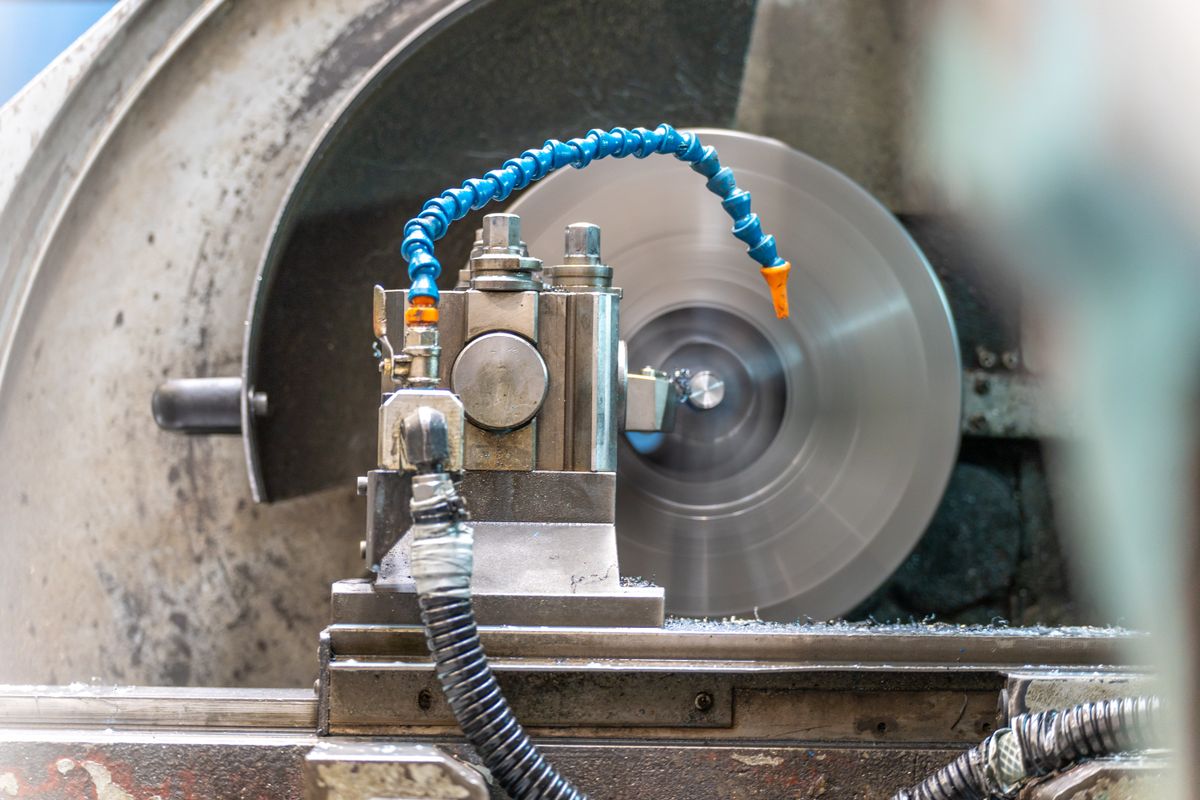
Corrosion-resistant and sealing-critical components for marine and offshore equipment.
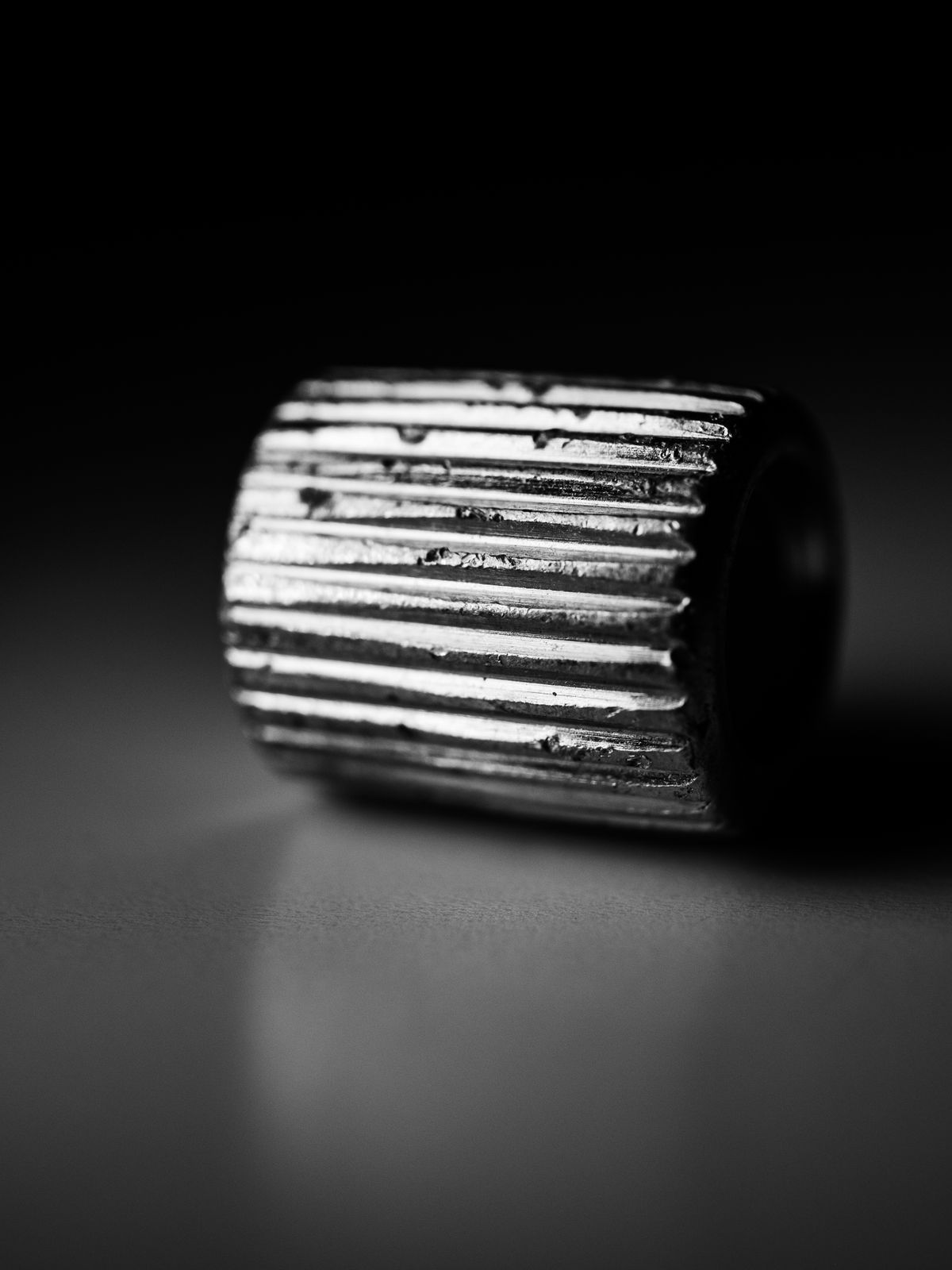
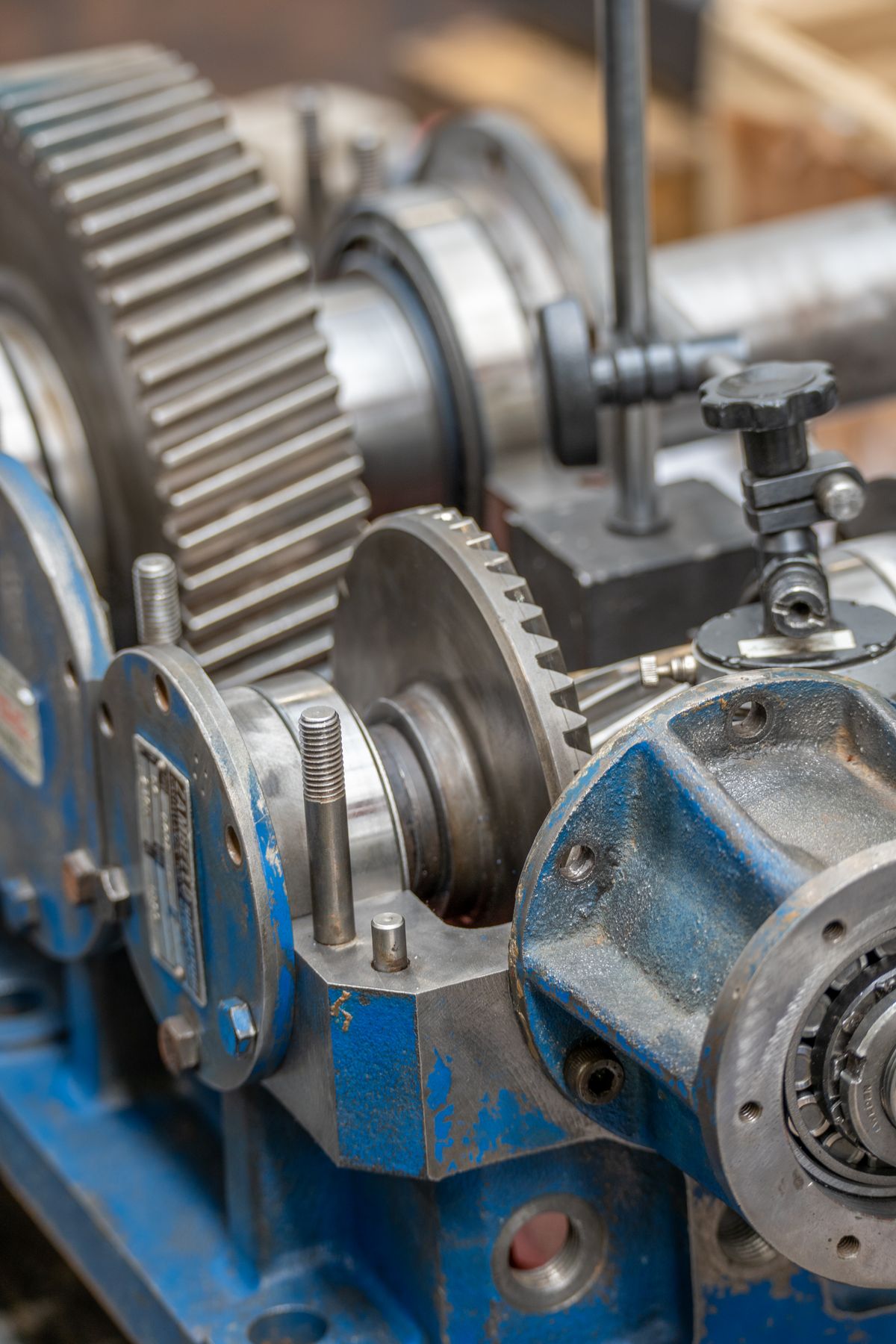
At sea a part fails for two reasons: it corrodes, or it leaks. Both are decided by material choice and by the quality of the sealing surface, and neither forgives a shortcut taken to save a setup.
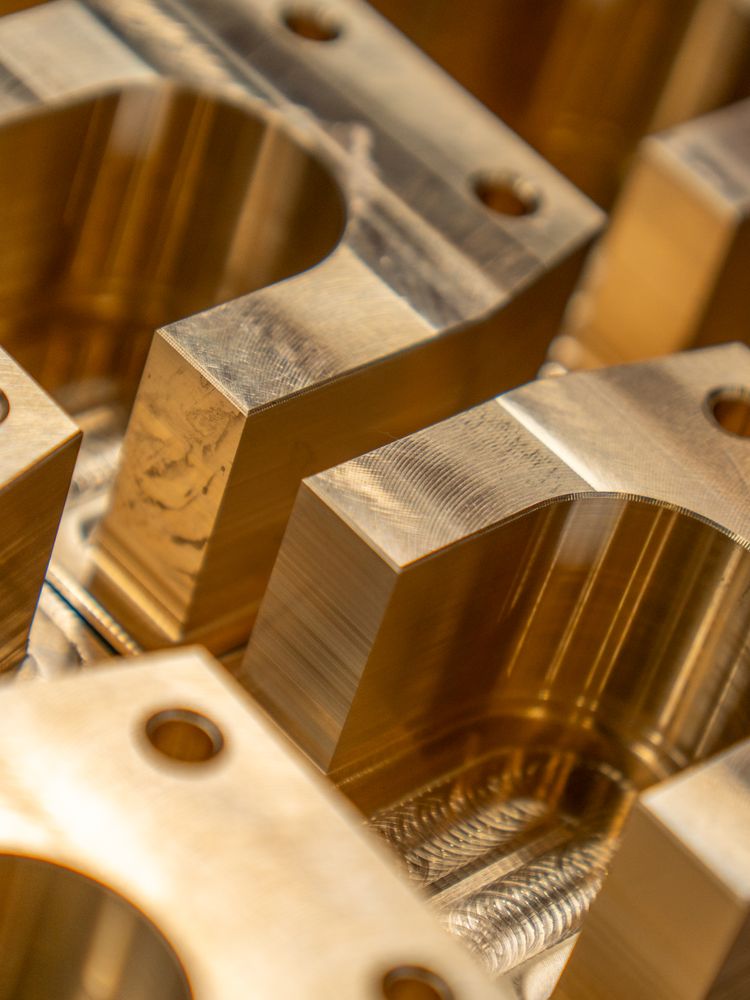
We machine valve bodies, pump components, shaft seals, deck hardware, sensor housings and hydraulic fittings in duplex and super-duplex stainless, bronze and nickel alloys, with sealing faces finished rather than left as machined.
What we make here
Typical work: traceable batches where material certificates and pressure-related documentation travel with the parts.
How the work runs
Materials, equipment and inspection
316L, 2205 and 2507 duplex, super-duplex, Monel, bronze and nickel aluminium bronze. Passivation and pickling arranged where the drawing requires it after machining.
Sealing faces checked with a profilometer, bores with bore gauges, geometry on the CMM. Material certificates traceable to the heat number; pressure-test requirements quoted as a separate step.
Capacity
| Part family | Typical material | What decides the price |
|---|---|---|
| Deck and manifold fittings | 316L, 2205 | Pressure class, thread form and finish |
| Pump and valve components | Duplex 2205, 2507 | Alloy machinability and bore tolerance |
| Shafts and sleeves | 17-4PH, 316L | Grinding allowance and straightness |
| Structural brackets | 316L, 2205 | Plate thickness and welding prep |
| Seal housings | Duplex, 316L | Groove finish and concentricity |
| Subsea small parts | Super duplex, MP35N | Certification and non-destructive testing |
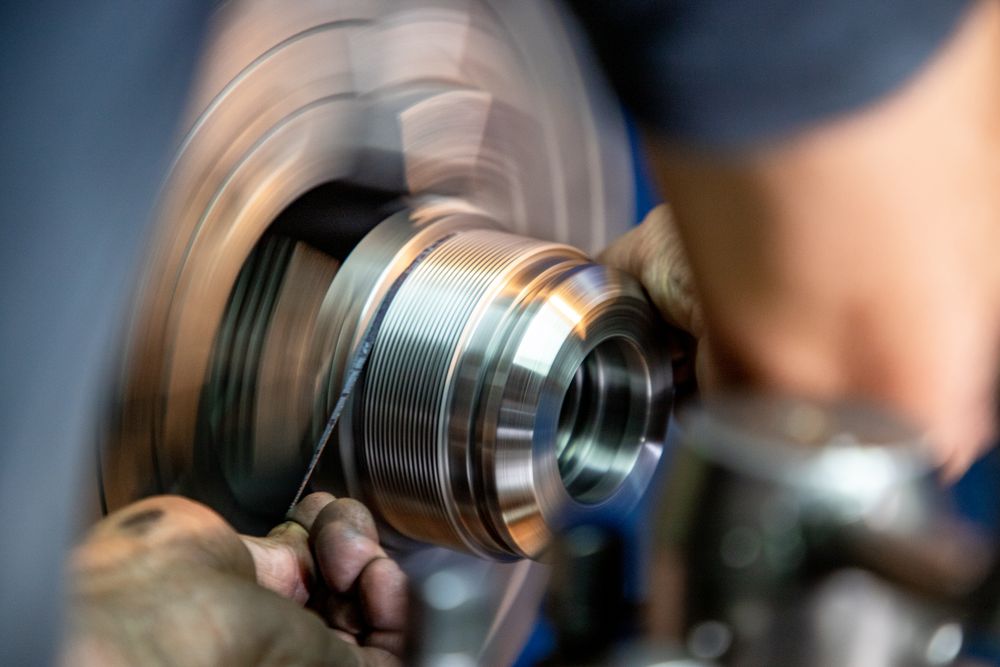
Duplex is not stainless with a different name. It work-hardens under a dull tool, so the parameters and the tool change on the drawing, not on the shop floor.
Parts we have machined
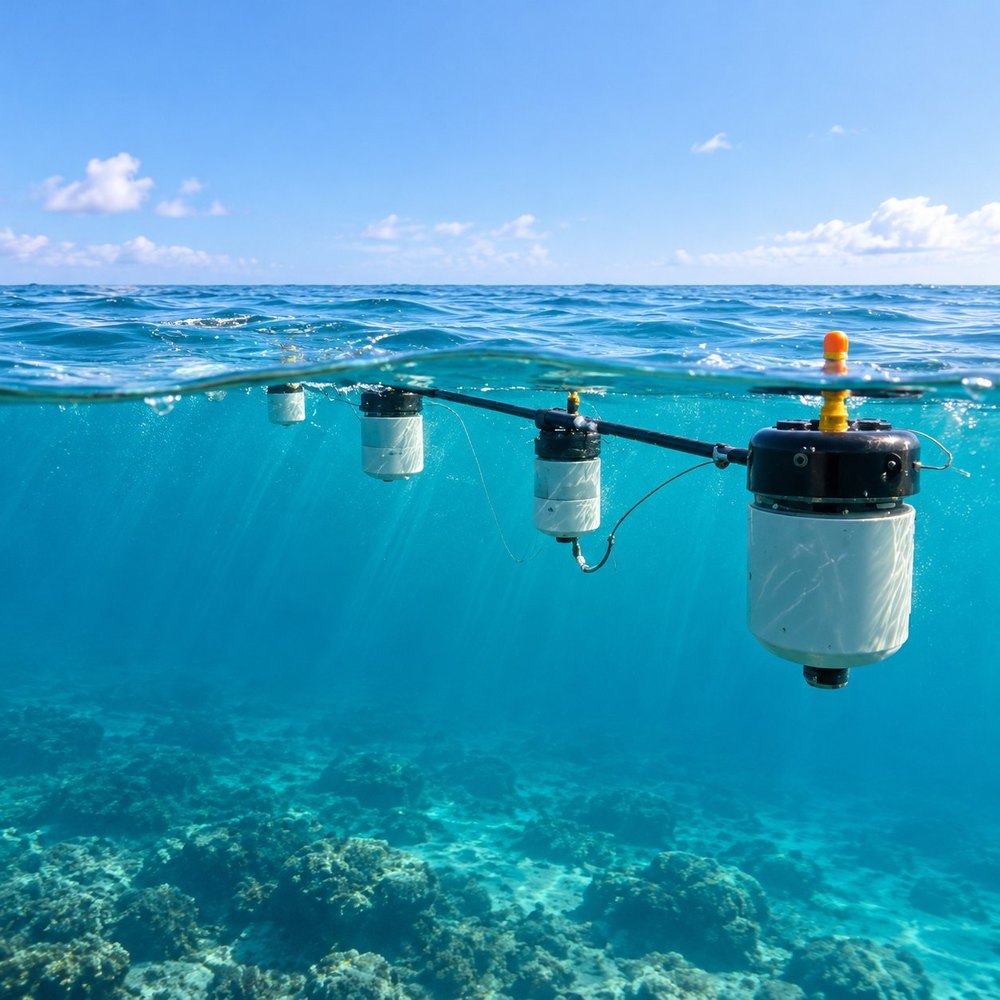
Where the money goes
Straight answers
Yes, but it needs sharp tooling, controlled heat input and a finish that is not left torn. Where the drawing calls for it, parts are pickled and passivated after machining rather than shipped with a smeared surface.
Yes, quoted against the Ra on the drawing. Tell us the seal type as well: a static O-ring groove and a dynamic lip seal do not need the same surface.
Testing is arranged to the drawing's requirement and quoted as a step. We will not describe a part as pressure tested unless a record exists.
Keep reading
Request a quotation
Industry fit is checked before the price is argued. Send the drawing with the service conditions and we will answer on both.