Medical & Imaging
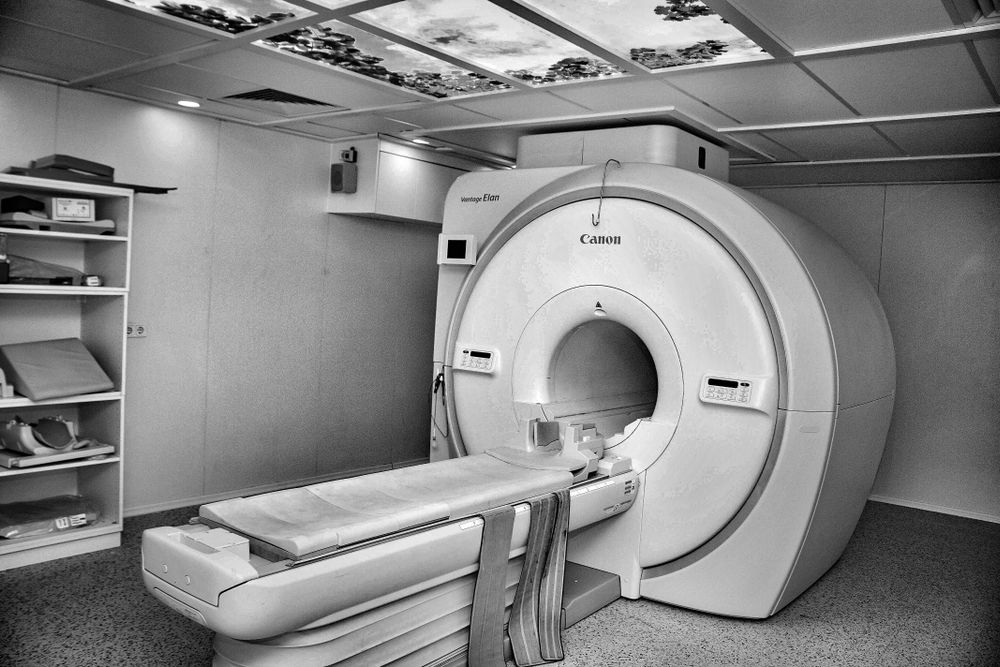
Frames, housings and motion parts for imaging systems, surgical and laboratory equipment.
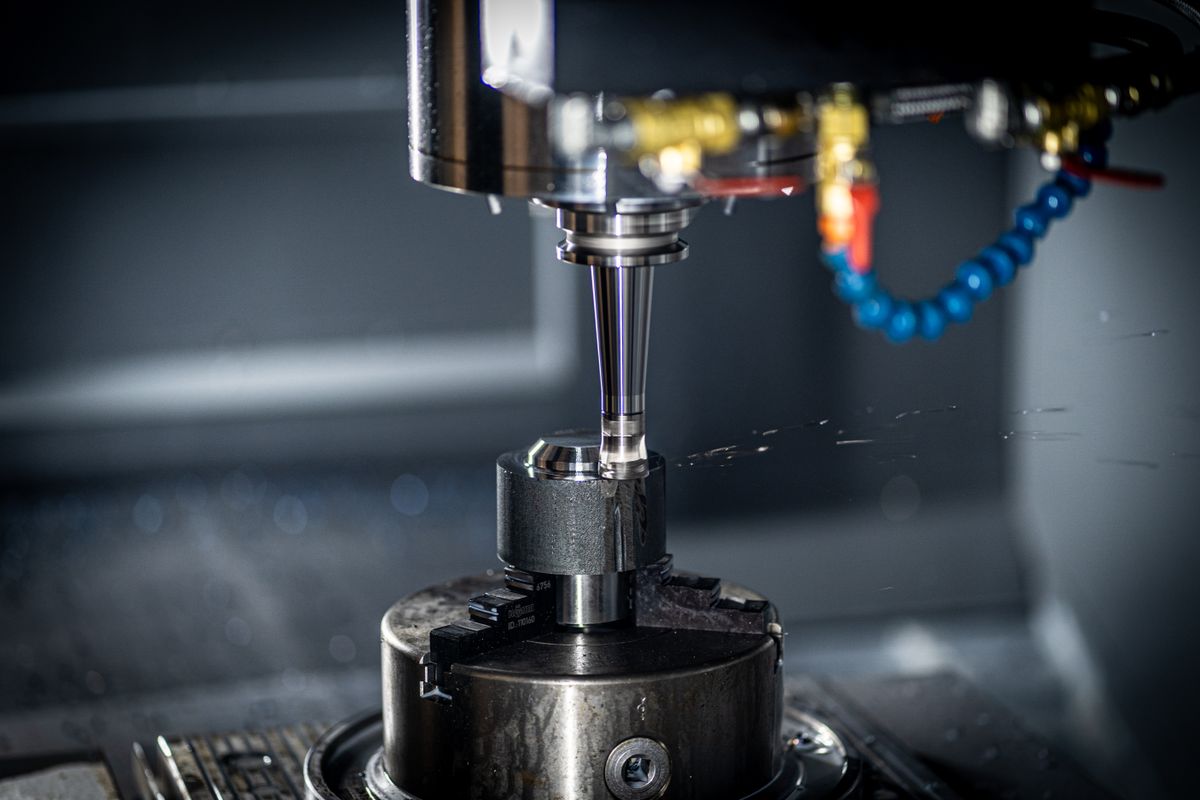
Frames, housings and motion parts for imaging systems, surgical and laboratory equipment.
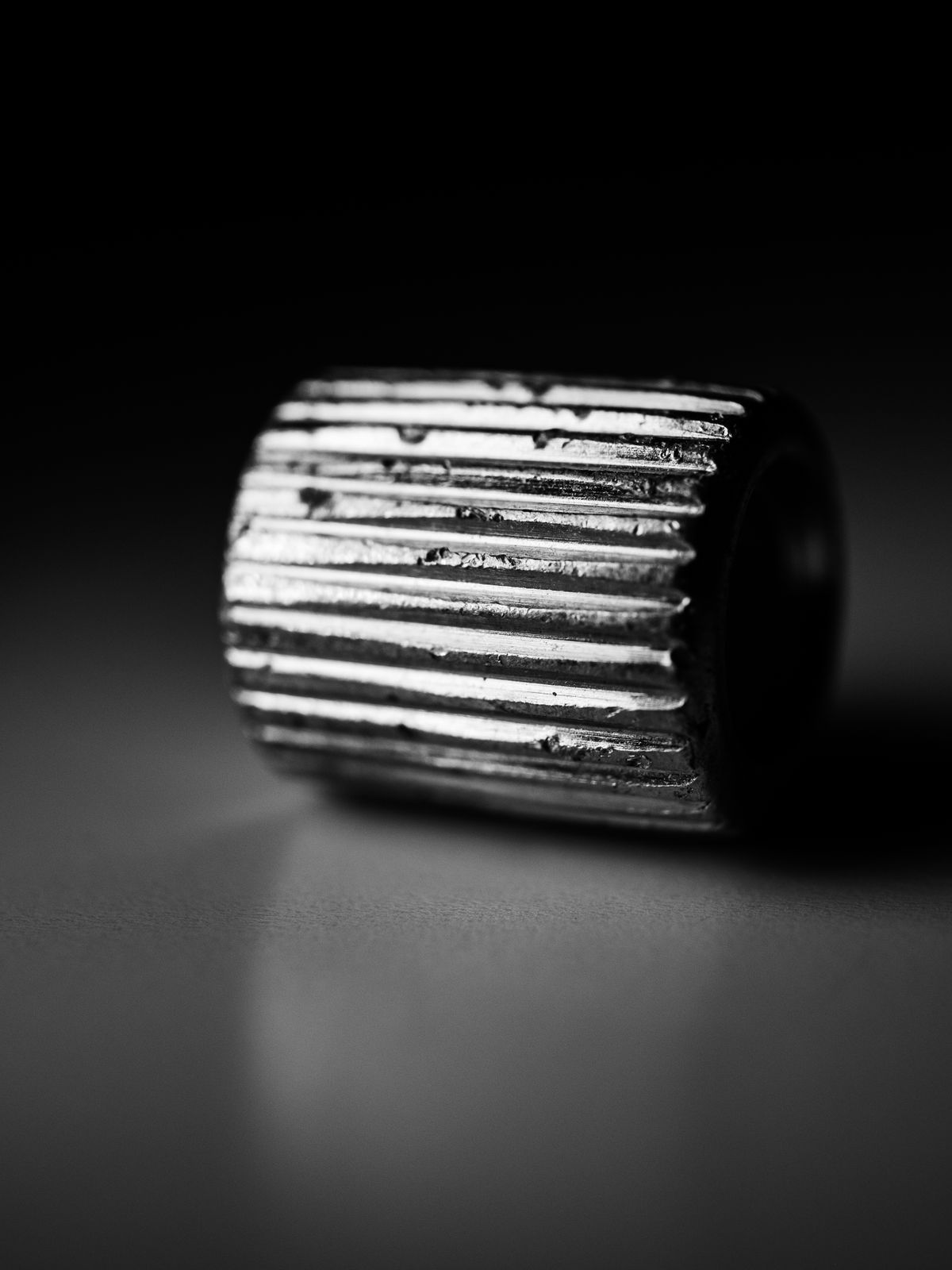
Medical equipment work brings two constraints ordinary machining does not: the part usually has to be cleanable, and the documentation has to survive an audit. Both are easier to build in than to add afterwards.
We machine imaging frames and housings, patient-support hardware, motion components, instrument parts and laboratory fixtures, mostly in aluminium and stainless, often in small batches where every drawing is different.
What we make here
Typical work: small, high-mix batches, with first-article inspection and material traceability as standard.
How the work runs
Materials, equipment and inspection
6061 and 7075 aluminium, 316L and 17-4PH stainless, titanium, PEEK and POM. Passivation and cleanroom-compatible finishing arranged to the drawing; no substituted material without written agreement.
CMM for geometry, surface finish on mating faces, and first-article reports with measured values. Material certificates traceable to the heat number.
Capacity
| Part family | Typical material | What decides the price |
|---|---|---|
| Imaging frames and housings | 6061, 5052 | Flatness, weight and cosmetic anodising |
| Surgical instrument parts | 17-4PH, 420 | Tolerance, finish and passivation |
| Laboratory and analyser parts | 316L, PEEK | Cleanliness and chemical resistance |
| Motion and positioning parts | 7075, 17-4PH | Bore tolerance and smoothness |
| Fluid path components | 316L, PEEK | Internal finish and cleanliness |
| Covers and panels | 6061, 304 | Cosmetic finish and colour match |
We are a machining supplier, not a certified medical device manufacturer. Parts are made to your drawing and documented; the device-level validation stays with you, and we say so before the order.
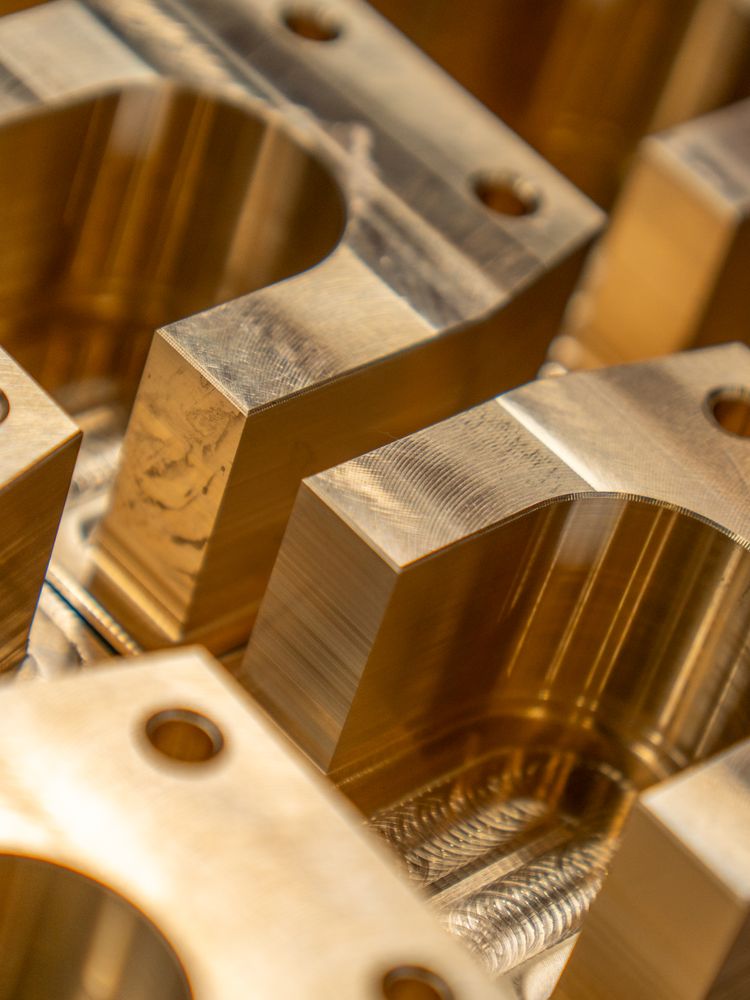
Parts we have machined
Where the money goes
Straight answers
We machine to the drawing and report measured values. Where a customer's quality system requires a specific inspection plan or documented change control, that is agreed at enquiry rather than assumed.
Material certificates, inspection reports and the drawing revision used are kept with the job, so a part can be traced back to the batch it came from.
Yes. Prototypes are machined from solid, which is also the fastest way to find out whether a design will mould or cast cleanly later.
Keep reading
Request a quotation
Industry fit is checked before the price is argued. Send the drawing with the service conditions and we will answer on both.