Injection Moulding
Plastic parts moulded on presses fed by tooling we made ourselves.
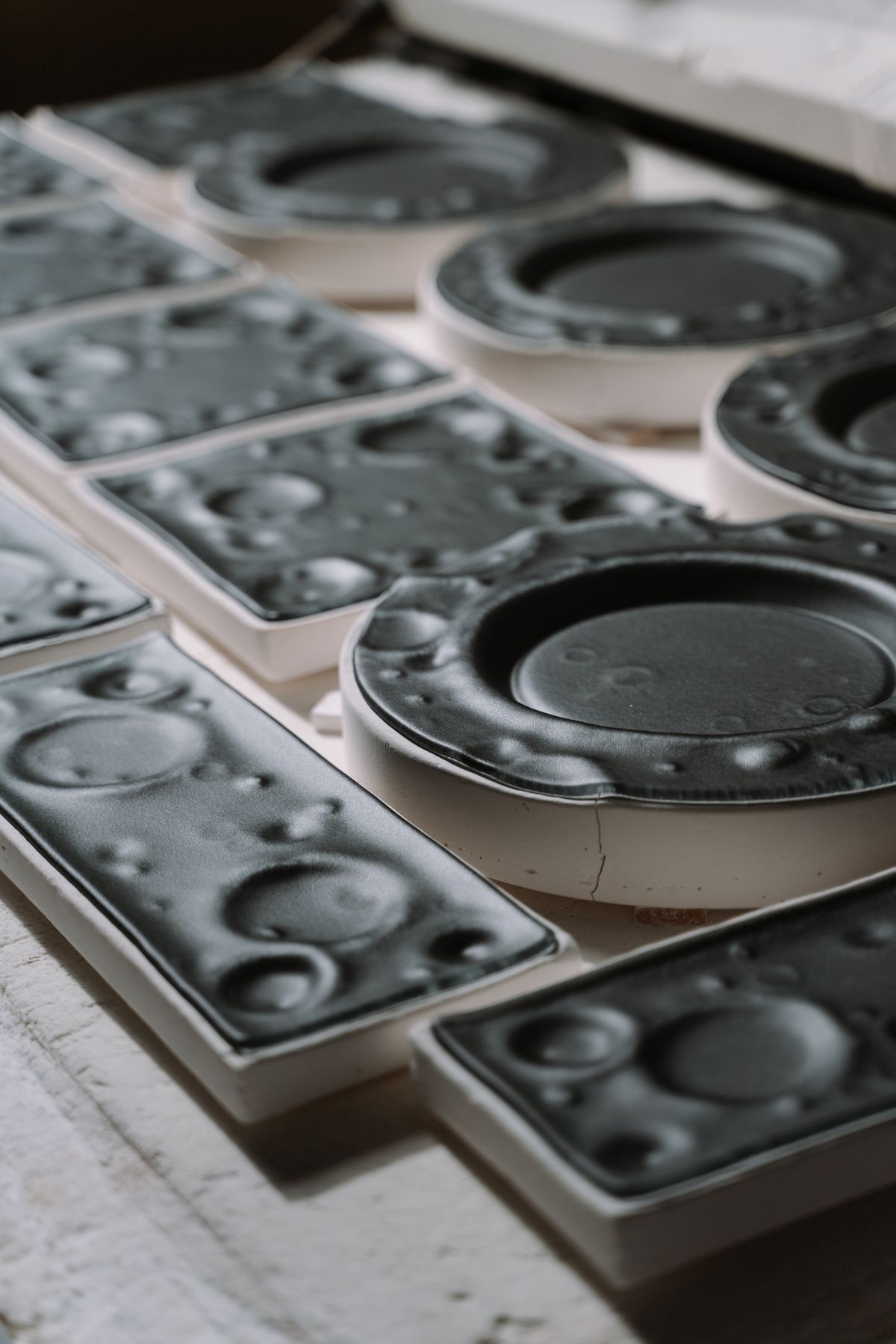
Plastic parts moulded on presses fed by tooling we made ourselves.
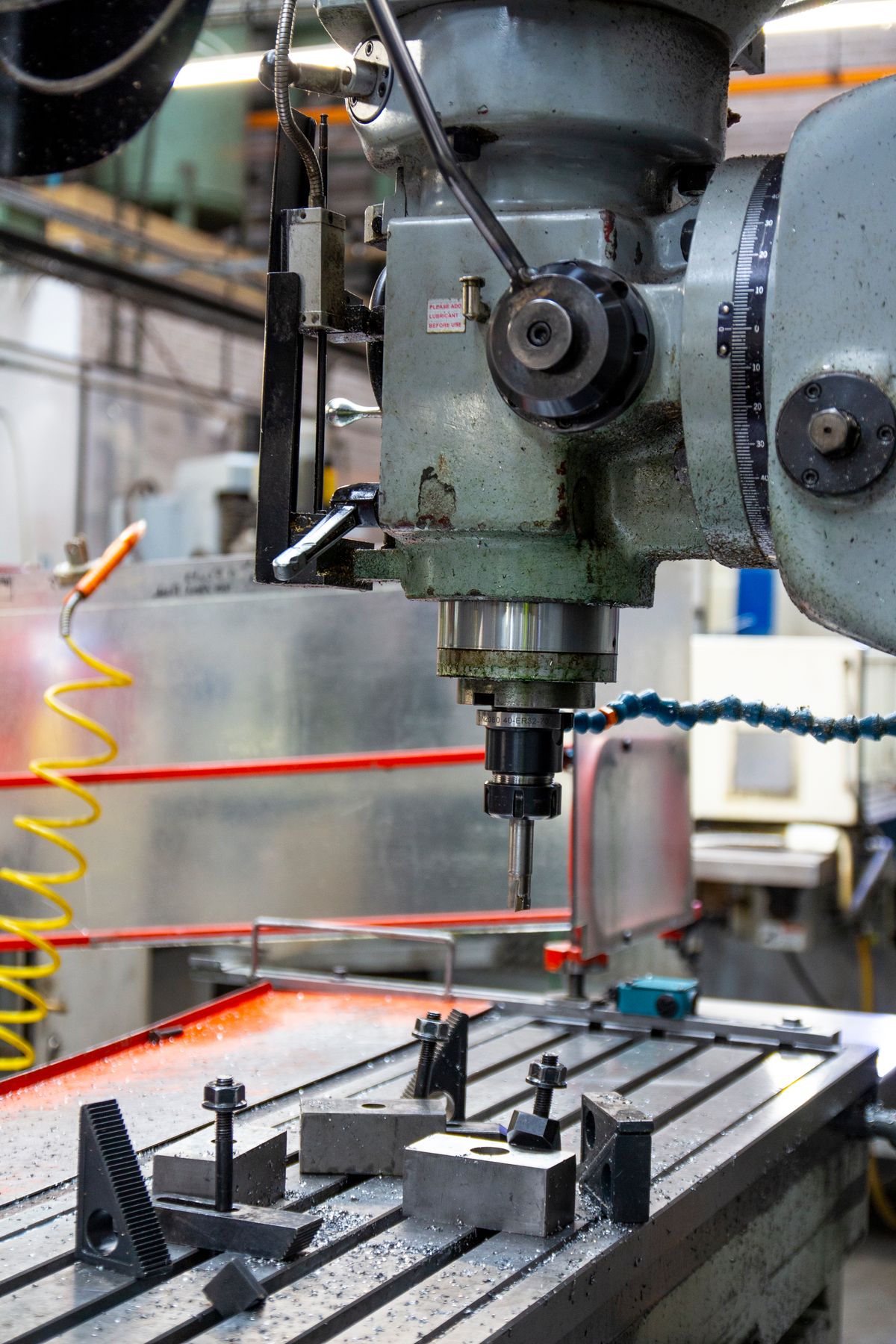
Moulding is where the drawing finally meets the material. Gate position, wall thickness, draft and where the part shrinks are decided long before the press closes, and most moulding problems are drawing problems wearing a process costume.
Because the tool comes off our own bench, a short shot or a weld line is diagnosed with the toolmaker in the room. Settling the process and correcting the steel stay one conversation.
What we make here
Typical work: technical parts where dimensional stability and repeatability matter more than cycle time.
How the work runs
Materials, equipment and inspection
ABS, PC, PA6 and PA66 with and without glass, POM, PBT, PPS, PEI and TPE — dried and processed to the resin supplier's parameters, with the drying record kept.
Injection moulding presses with robot take-out and in-house tool maintenance. First-off samples measured against the drawing; critical dimensions checked on the CMM once the process is settled.
Capacity
| Feature | Range | What to know |
|---|---|---|
| Clamp force | 80–650 t | Part projected area and wall thickness decide the machine |
| Shot weight | Up to 1,200 g | Includes the runner, not just the part |
| Part tolerance | ±0.02 mm | Set by the tool, then held by the process |
| Resins | PP, ABS, PC, POM, PA, PBT, TPE | Glass-filled grades quoted with the wear allowance |
| Batch | 500+ | Below 500 the tool cost dominates the part price |
| Assembly | Insert fitting and ultrasonic welding | Quoted as a separate line |
Moulding is a volume process. Under about 500 parts a machined or cast alternative is usually cheaper than a tool, and we say so at quotation.
Parts we have machined
Where the money goes
Straight answers
Yes, after we inspect the tool and run a trial. If it needs work before it will run reliably we will tell you before the production order, not after.
From a few hundred parts a year to production runs, though tooling only pays back with volume. At low volumes we will say plainly when machining the part is the cheaper route.
You do, once it is paid for. We hold it, maintain it and make it available if you move — that is the normal arrangement and it is written into the quotation.
Keep reading
Request a quotation
Tell us the part, the material and the quantity. An engineer reviews your drawing and replies within one working day — usually with a suggestion on how to make it cheaper.