CNC Milling
Prismatic parts, pockets, contours, fixtures and housings — cut on 3-, 4- and 5-axis machining centres.
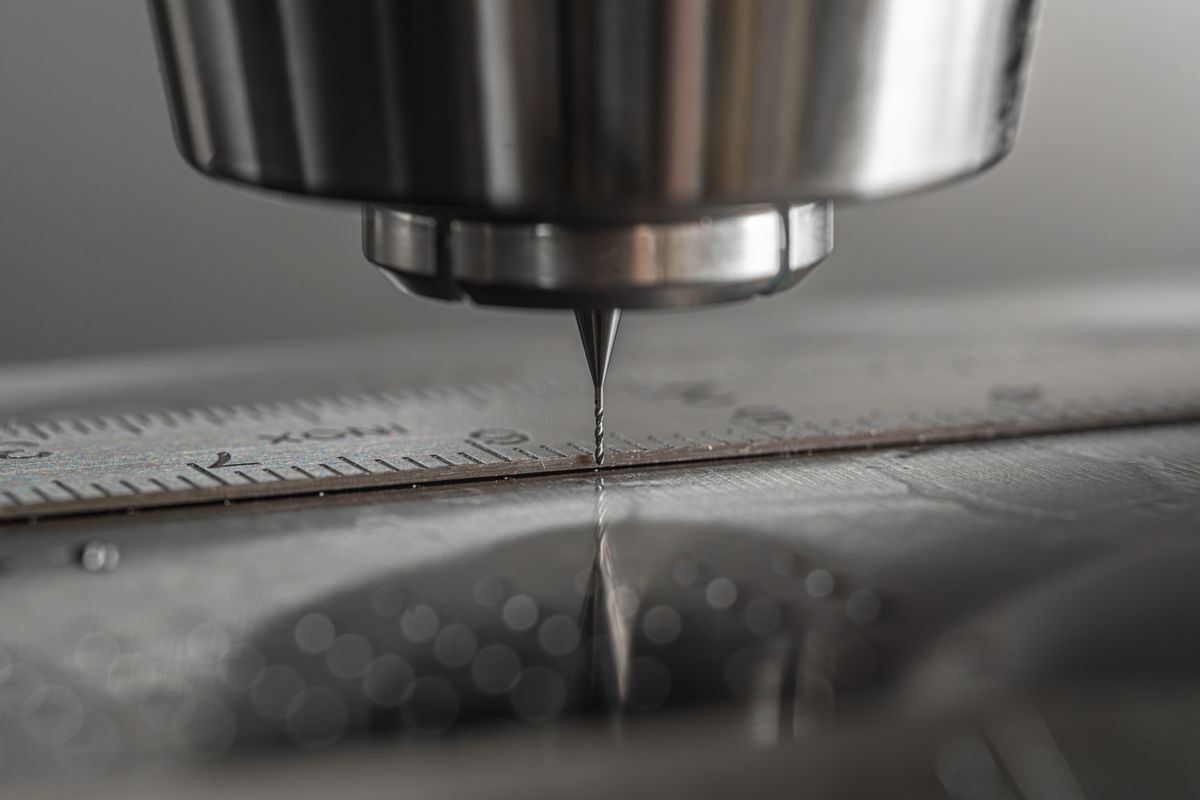
Prismatic parts, pockets, contours, fixtures and housings — cut on 3-, 4- and 5-axis machining centres.
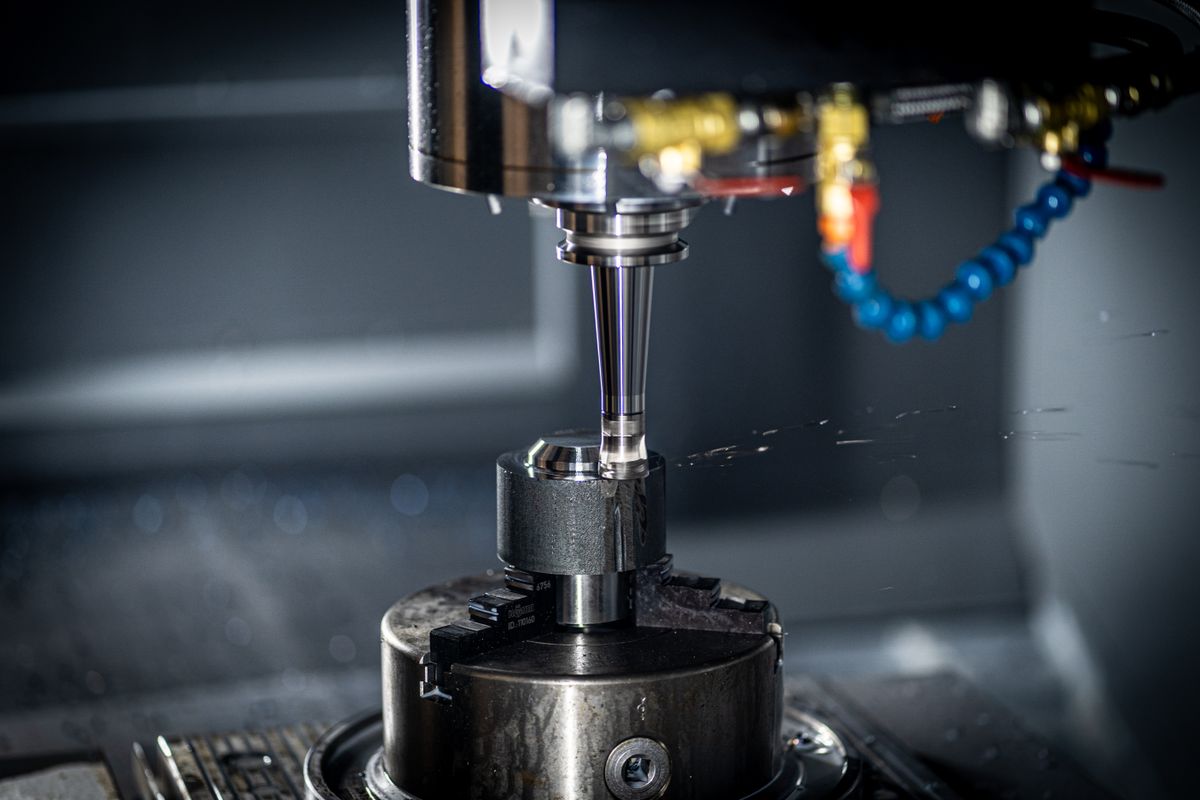

Milling covers what cannot be turned: plates, brackets, housings, manifolds, mould inserts and fixtures. Three axes handle the bulk of it. Four and five axes exist for the parts where a dozen setups would otherwise be needed — and where every setup is another chance to lose the datum.
Programming runs from your STEP file. Where the model and the drawing disagree, the drawing wins and we tell you which feature we followed. Fixtures and soft jaws are made here, so a first article does not wait on an outside supplier.
What we make here
Typical work: prototype to medium batch, with the fixture kept so a repeat order runs on the same proven setup.
How the work runs
Materials, equipment and inspection
Aluminium 6061, 7075 and 2024, carbon and alloy steels, stainless including 17-4PH, tool steels such as H13 and S136, brass, copper and engineering plastics — from plate, bar or near-net forgings.
3-, 4- and 5-axis vertical machining centres, with probing on the fixture to verify setup. Critical features checked on the CMM; flatness and parallelism on a granite plate.
Capacity
| Feature | Range | What to know |
|---|---|---|
| Table travel | 1,200 × 600 × 500 mm | Larger plates quoted as two setups or on the gantry |
| Simultaneous axes | 3, 4 and 5 | 5-axis for contoured faces and angled holes in one setup |
| Positional accuracy | ±0.01 mm | ±0.005 mm on a probed, temperature-stable setup |
| Min. wall | 0.5 mm in aluminium | 1.0 mm in steel; below that we quote with a straight warning |
| Surface finish | Ra 0.8 µm milled | Ra 0.4 µm with a finishing pass and a polished cutter |
| Fixture making | In-house | Soft jaws and fixtures cut here, so first articles do not wait |
Thin walls and deep pockets are the two features that change a milling price. Both are quotable, both need the drawing to say which face is the datum.
Parts we have machined
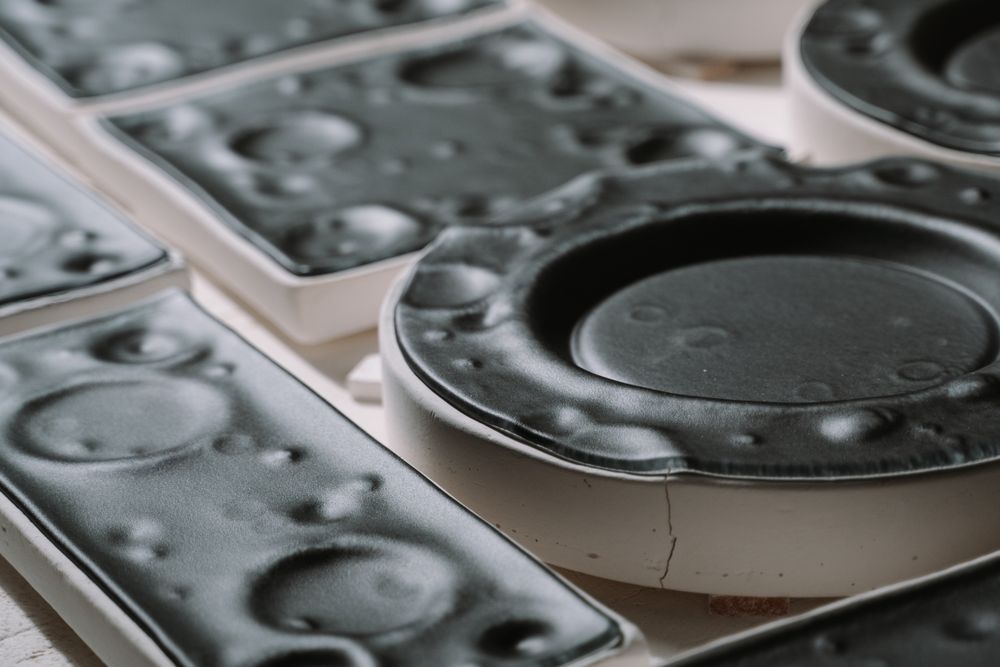
Where the money goes
Straight answers
A STEP file is faster and removes interpretation. A dimensioned 2D drawing is enough for simple prismatic parts; for contoured surfaces we will ask for the model rather than guess at the surface.
Yes, within reason, but the approach changes: rough, stress-relieve, then finish with light cuts and support on both sides. Tell us which wall matters and we will quote the process that protects it.
We do, and it stays with the job. If you reorder in six months the setup is already proven, which is why the second batch often costs less than the first.
Keep reading
Request a quotation
Tell us the part, the material and the quantity. An engineer reviews your drawing and replies within one working day — usually with a suggestion on how to make it cheaper.